
Frequently asked Questions
Let our experienced nurses monitor your healing so you can rest easy. Book your post-op assessment today!
Post-Operative Care After Plastic Surgery
- How long will my recovery take?
Recovery time varies depending on your procedure, health, and how well you follow your post-op care plan. Most clients feel better within 7–10 days, but complete healing can take several weeks to months depending on the procedure. - Will I have visible scars after surgery?
Scars are a natural part of healing. Your surgeon will typically place incisions in discreet areas. With proper care, including monitoring, hydration, and scar management, scars often fade over time. - What should I do to prepare for surgery?
Before surgery, it’s important to follow your surgeon’s instructions, avoid smoking and alcohol, hydrate well, and prepare your recovery space. You can find additional tips and resources on preparing for surgery in our News & Articles section: leesangservices.com/news-articles/ - How long will I need to take off work?
Most patients take 1–2 weeks off work depending on the procedure. More extensive surgeries may require 3–4 weeks of downtime before returning to full duties. - What can I expect during the first 24 to 72 hours after surgery?
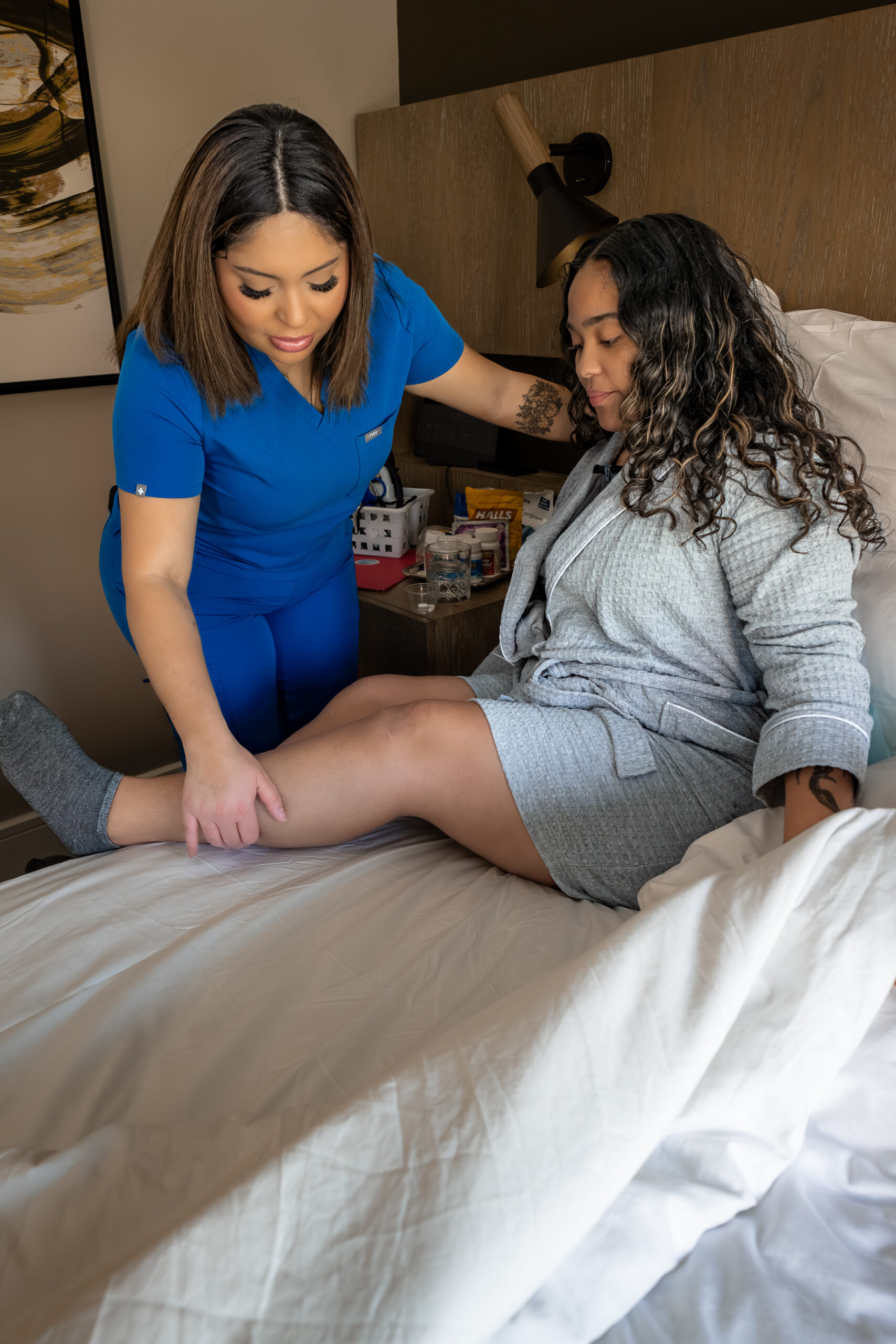
You may experience pain, swelling, bruising, or grogginess. Our nursing team helps you manage discomfort, monitor your vitals, assist with mobility, and ensure post-op instructions are followed carefully. - Do I need someone to stay with me after surgery?
You should not be alone immediately after surgery. If you don’t have a companion, Leesang offers private nursing support to ensure your safety and comfort in the early stages of recovery. - How long should I wait before resuming normal activities or exercise?
Light walking is encouraged early to reduce blood clots. Most clients resume normal daily activity after 2–3 weeks, but strenuous exercise should be avoided for 4–6 weeks or as directed by your surgeon. - How painful is the recovery process?
Discomfort is expected after surgery, but pain levels vary. Our nursing team helps manage pain with medication guidance, positioning, hydration, and comfort measures. - Will I need to wear compression garments?
Compression garments reduce swelling and support healing. Your surgeon will recommend when and how to wear them. Our nursing team helps ensure garments are fitted and worn correctly. - When will I see my final results?
Initial results are often visible after swelling subsides within 4–6 weeks. However, full results can take up to 6 months—and in some cases, up to one year—to fully settle. - Can I combine multiple procedures at once (e.g., tummy tuck + lipo)?
Yes, many clients do. Combination procedures require more recovery time. Leesang offers multi-day care packages tailored to more complex surgical journeys. - How should I sleep or rest after surgery?
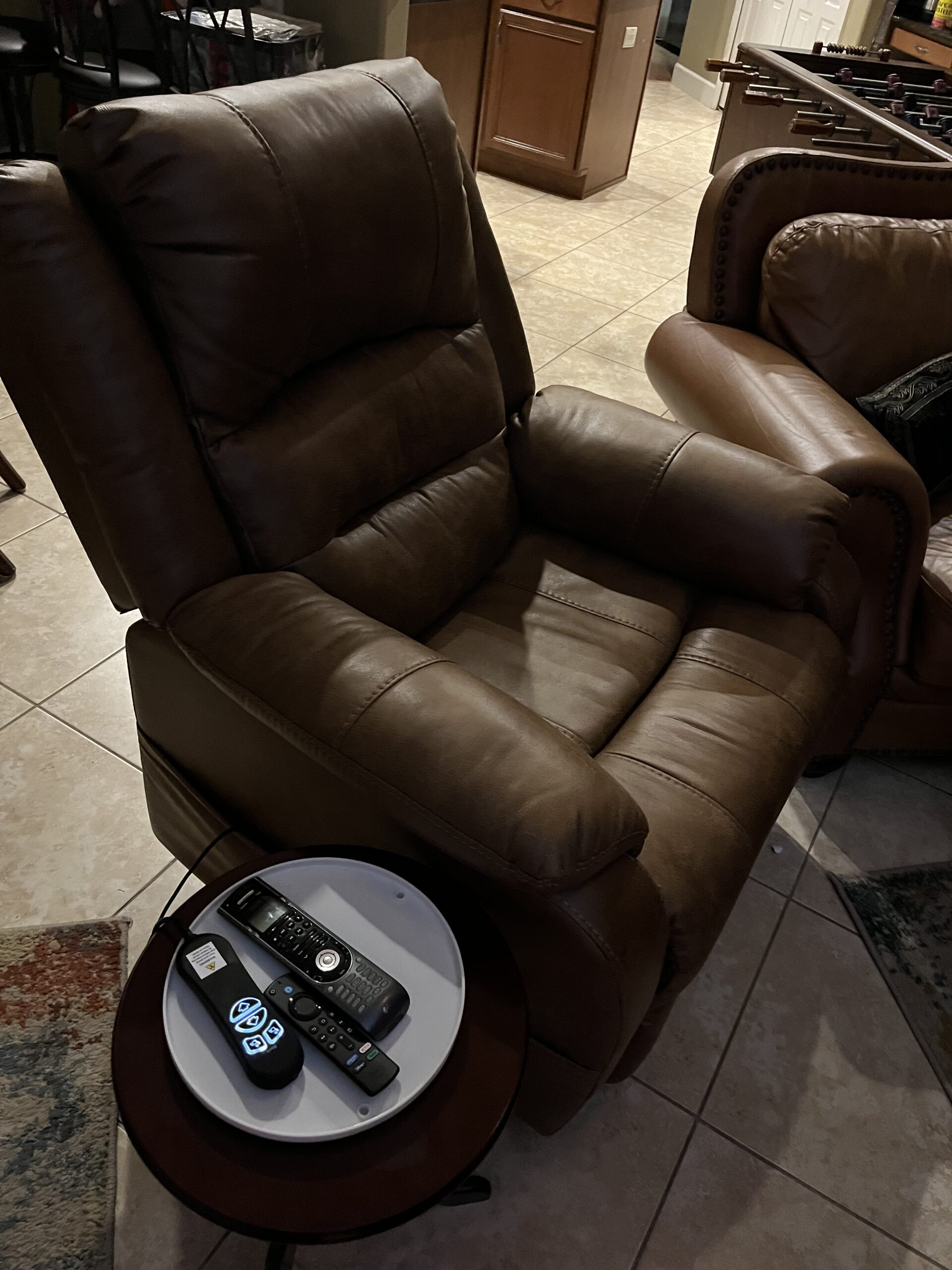
Depending on your procedure, sleeping in a reclined position or on your back is recommended. For improved comfort, we recommend renting a medical-grade lift chair from Leesang Services, which promotes safer, easier movement during recovery. - Will I need drains or sutures, and how are they managed?
Yes, many surgeries require drains and sutures. Our nursing team manages drain output, wound care, and provides thorough education on how to care for them between visits. We also remove them when clinically appropriate and directed by your surgeon. - How often will I have follow-up appointments?
Surgeons usually schedule 1–3 follow-up visits in the first few weeks. Leesang can coordinate with your provider and deliver in-home nursing visits between appointments to monitor your recovery and report progress. - How do I minimize the risk of infection or complications?
Follow all post-op instructions, maintain hygiene, stay hydrated, and rest properly. Our nursing team ensures sterile technique, daily assessments, and early intervention if concerns arise. - What should I eat or drink before and after surgery?
A high-protein, low-sodium diet helps healing. Stay hydrated with water or electrolyte-rich fluids. Avoid processed foods, caffeine, and alcohol. For more nutrition tips, visit our News & Articles section at leesangservices.com/news-articles/ - What are the signs that something is wrong after surgery?
Watch for excessive pain, swelling, heat at the incision site, discharge, fever, or shortness of breath. If these symptoms occur, contact your provider or our nursing team immediately. - Can I travel shortly after surgery?
Short travel may be possible within a few days, but long-distance travel is discouraged for 1–2 weeks. If needed, Leesang offers support during travel to ensure safe recovery. - Can your nursing team help with drain and dressing management?
Our skilled nursing team provides full support with drain care, dressing changes, and sterile wound management—all in your recovery space. - What if I had surgery out of the country—can I still book post-op care?
Many of our clients return from medical tourism. We provide skilled, professional care that aligns with your surgeon’s instructions—even internationally. - Will the nursing team remove sutures or surgical staples?
Our licensed nurses are trained to safely remove sutures or staples per your provider’s instructions and clinical assessment. - Is Manual Lymphatic Drainage (MLD) included in post-op care?
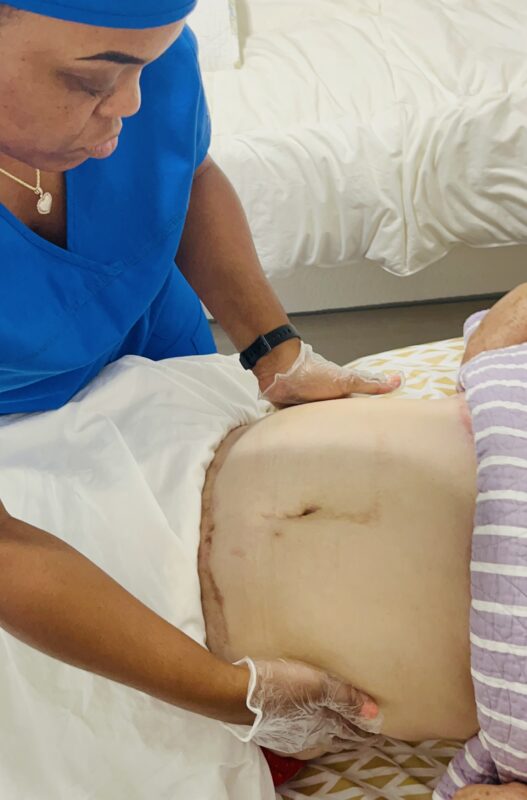
MLD is available as an add-on service. It reduces swelling, prevents fluid buildup, and improves healing. Our certified providers perform MLD in your home. - How many MLD sessions will I need?
Most clients benefit from 6–10 MLD sessions, especially after body contouring procedures. Frequency depends on your procedure, healing response, and surgeon’s guidance. - Can I schedule IV hydration as part of my recovery service?
We offer mobile IV hydration to help with energy, hydration, and faster healing. Add it to your post-op care package or book as needed. - Do you offer transportation from the surgery center to my hotel or home?
Our Ride to Recovery service includes safe transport with a nursing team member who monitors your condition from pickup to bedside. - What supplies or equipment should I have ready for my first post-op visit?
Have clean linens, towels, compression garments, gauze, water, and loose clothing ready. A lift chair or wedge pillow may also improve comfort. We’ll guide you with a list before your appointment. - Can you communicate with my plastic surgeon during my recovery?
With your permission, we provide clinical updates, photos, and summaries to your surgeon to ensure continuity of care. - Is Leesang’s post-op care only for cosmetic surgery, or do you assist after other outpatient procedures?
We assist with a wide range of surgeries including orthopedic, general, and gynecologic procedures—not just cosmetic. Care is tailored to your specific needs. - What makes Leesang’s mobile post-op care different from going to a clinic or recovery center?
Our services are private, mobile, and nurse-led. Many of our team members and collaborating providers have personal experience with plastic surgery, giving us deeper insight and empathy for your healing journey.
Advanced Wound Care (Acute & Chronic)
- What kinds of wounds does Leesang Services treat?
We manage post-surgical wounds, infections, seromas, wound dehiscence, diabetic ulcers, pressure injuries, suture/staple reactions, and chronic wounds that fail to heal over time. Learn more about wound care services at Leesang Services here. - How do I know if my surgical wound is healing properly?
A healing wound should gradually close, appear less swollen, and have minimal redness or discharge. If you notice worsening symptoms, contact us for a professional wound assessment. - What are signs that I need professional wound care?
Signs include increased redness, pain, heat at the wound site, unusual discharge, foul odor, fever, or wounds that aren’t improving. Early intervention can prevent complications. - Can you treat chronic wounds like diabetic ulcers or pressure sores?
We specialize in treating chronic, non-healing wounds with advanced therapies including wound cleaning, pressure relief, and dressing strategies that promote healing. - What does a typical advanced wound care visit include?
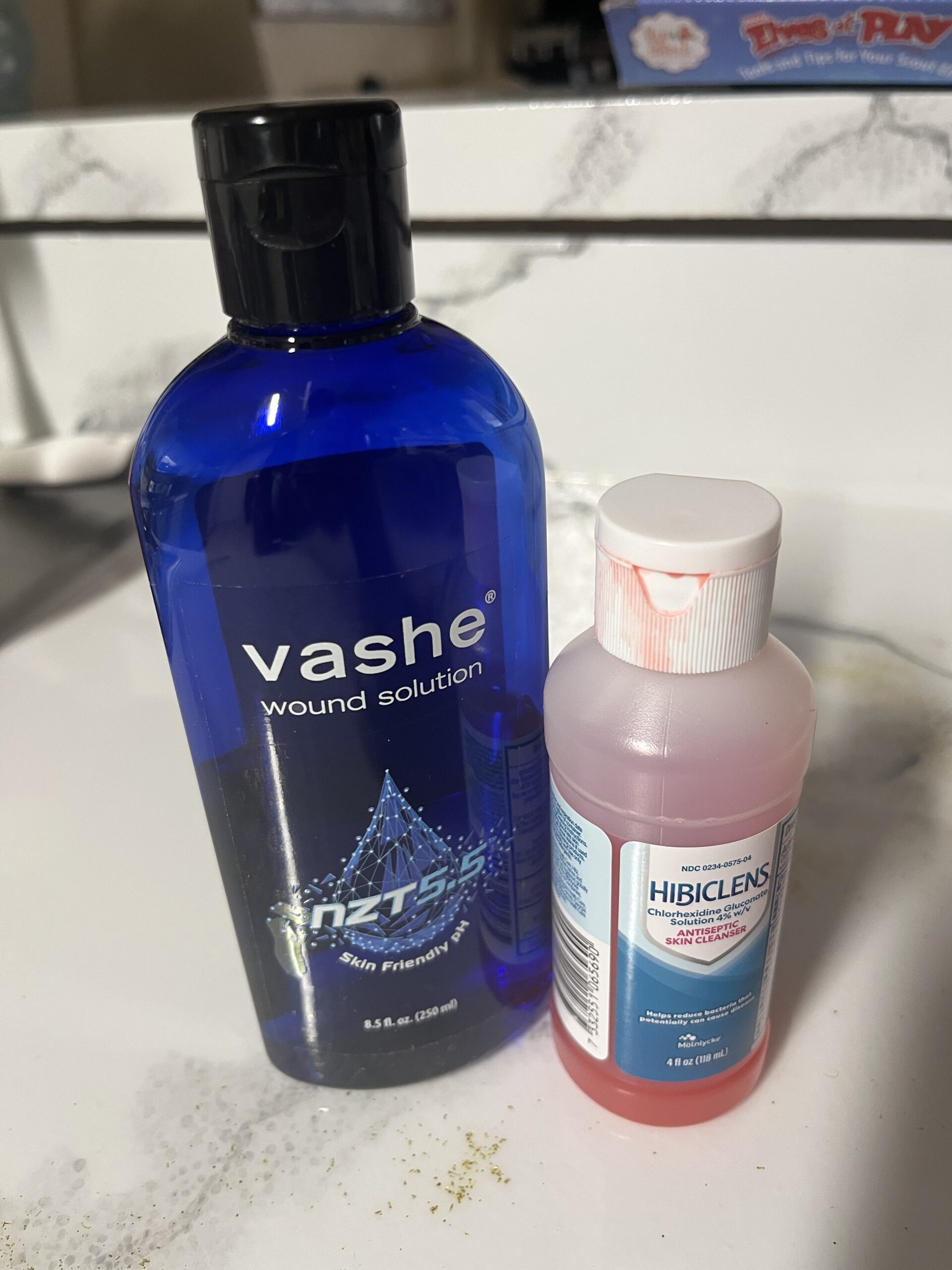
A visit includes wound assessment, measurement, debridement (if needed), cleansing, application of advanced dressings, education, and documentation. We may also apply skin substitutes or specialty dressings based on your wound type. - Will your nursing team come to my home for wound care?
Our team delivers professional wound care services in your home, hotel, or recovery suite—eliminating the need for clinic visits during recovery. - Can you help if I had surgery abroad and now my wound isn’t healing?
We assist many clients who had procedures overseas and are now experiencing delayed healing or complications. We assess and treat wounds safely and professionally. - Do you offer wound debridement and specialized dressings?
We perform gentle wound debridement when clinically appropriate and use a variety of advanced dressings, including: alginates, hydrocolloids, foams, hydrogels, collagen dressings, antimicrobial dressings (e.g., silver or honey-based), and skin substitutes. - Are wound care visits covered by Medicare or Medicaid?
Many advanced wound care services are eligible for coverage through Medicare and Medicaid. We provide proper documentation and can assist you in determining eligibility for reimbursement. - How often will my wound need to be checked or redressed?
The frequency of care depends on the wound type and your healing progress. Some wounds need daily visits, while others may require treatment every 2–3 days. We tailor your care plan to your needs and healing goals.
Call us at 561‑598‑9609 or email leesangservices@gmail.com to discuss your tailored post-operative and advanced wound care pla
Additional Services
Lymphatic Drainage
Medical Clearances
Lift Chair Rentals
Comprehensive Post-Op Care Includes:
- Pain management and vital signs monitoring
- Dressing changes and wound care
- Drain and incision management
- Suture and staple removal
- Compression therapy and garment assistance
- Dietary and nutrition guidance
- Direct communication with your concierge nurse pre- and post-surgery