Recovering from surgery is a journey that requires patience, precision, and the right professional support. While your surgeon handles the procedure, your post-op nursing care determines how efficiently your body heals. One of the most critical components of this recovery is Manual Lymphatic Drainage (MLD).
At Leesang Services LLC, we believe that education is the first step toward a successful recovery. MLD is often misunderstood as a standard “spa massage,” but in a clinical post-operative setting, it is a specialized medical intervention. Whether you are recovering from a tummy tuck, liposuction, or orthopedic surgery, understanding the nuances of this therapy will help you maximize your results.
Here are 10 essential things you need to know before your first session.
🩺 1. It is Not a Traditional Massage
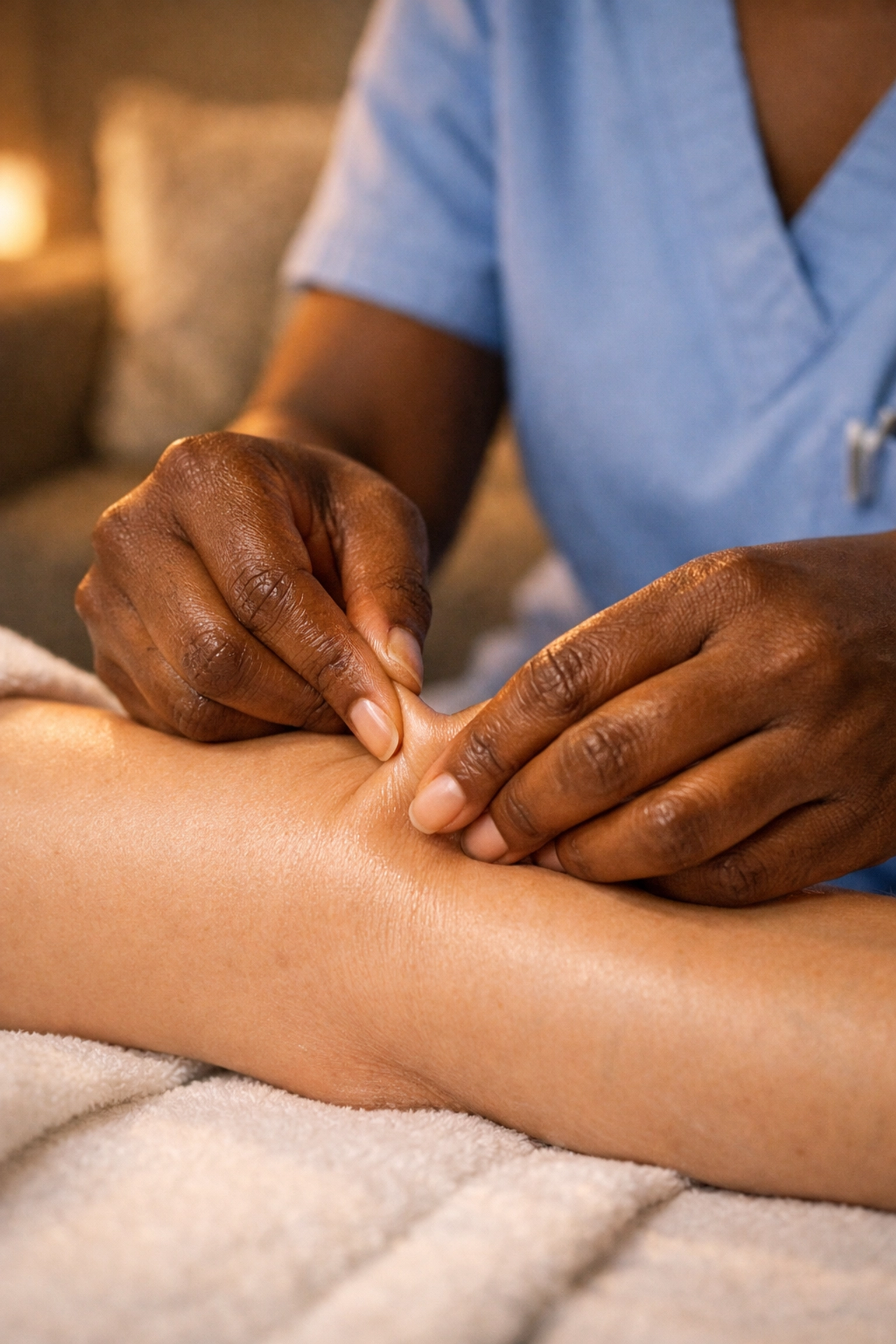
The most common misconception about post op massages is that they involve deep tissue manipulation or heavy pressure. In reality, Manual Lymphatic Drainage is incredibly gentle. The lymphatic system sits just beneath the surface of the skin. Applying too much pressure can actually collapse the small lymphatic vessels, hindering the drainage process.
During your session with a plastic surgery recovery nurse, you will feel light, rhythmic strokes. These movements are designed to stimulate the lymph nodes and encourage the movement of interstitial fluid. If you are expecting the “no pain, no gain” approach of a sports massage, you will be pleasantly surprised by the soothing, skin-stretching techniques used in MLD.
💡 2. Professional Certification is Non-Negotiable
Not all massage therapists are trained in medical-grade MLD. When recovering from surgery, you require the expertise of someone who understands post-op nursing care and the specific complications that can arise, such as seromas or fibrosis.
Choosing concierge nursing services ensures that your care is managed by a professional who understands the surgical anatomy and the inflammatory response. At Leesang Services, our approach combines clinical knowledge with the art of lymphatic clearing to ensure your safety and optimal aesthetic results.
💧 3. Hydration Directly Impacts Your Results
Manual Lymphatic Drainage works by moving metabolic waste and excess fluid into the lymph nodes to be filtered and eventually excreted. This process requires a significant amount of water.
To prepare for your session:
- Drink 16-24 ounces of water in the hour leading up to your appointment.
- Avoid caffeine and alcohol, as these can dehydrate the tissues and make the fluid more stagnant.
- Continue hydrating post-session to help your kidneys process the shifted fluid.
🪑 4. Comfort and Positioning are Key
Recovery often makes it difficult to lie flat on a standard table. This is why many of our clients prefer sessions conducted in the comfort of their own homes. We often utilize lift chair rentals for post-operative recovery to keep the patient in a semi-fowler’s position, which reduces strain on abdominal incisions.

🌬️ 5. Deep Breathing is the Secret “Pump”
You might find it unusual when your therapist asks you to perform deep diaphragmatic breathing at the start of your session. However, the largest lymphatic vessel in the body: the thoracic duct: is located deep within the chest and abdomen.
Deep, belly-focused breathing creates a change in internal pressure that acts as a vacuum, pulling lymphatic fluid from the extremities toward the heart. This “primes the pump” and makes the manual strokes significantly more effective.
🧬 6. There is a Specific Medical Sequence
MLD follows a very strict “proximal to distal” protocol. This means we clear the areas closest to the heart and the main lymph node groups (like the neck, armpits, and groin) before we ever touch the surgical site.
Think of it like a traffic jam: if you don’t clear the cars at the front (the lymph nodes), the cars at the back (the swelling at your incision site) have nowhere to go. By “unblocking” the main drainage points first, we create a pathway for the post-operative edema to exit the body.
🌡️ 7. It Manages the “Inflammatory Phase”
Immediately after surgery, your body sends a rush of white blood cells and fluid to the site of trauma. This is a natural part of healing, but excessive inflammation can lead to pain, restricted ambulation, and skin irregularities.
Regular MLD sessions help:
- Reduce Bruising: By moving stagnant blood and fluid away from the skin surface.
- Prevent Fibrosis: Preventing the buildup of hard, woody scar tissue that can occur after liposuction.
- Pain Management: The gentle strokes stimulate the nervous system to decrease pain signals.
🏠 8. The Benefit of Concierge Home Care
Traveling to a clinic shortly after surgery can be exhausting and potentially dangerous if you are still taking certain medications. Our post-operative care brings the expertise to your bedside.
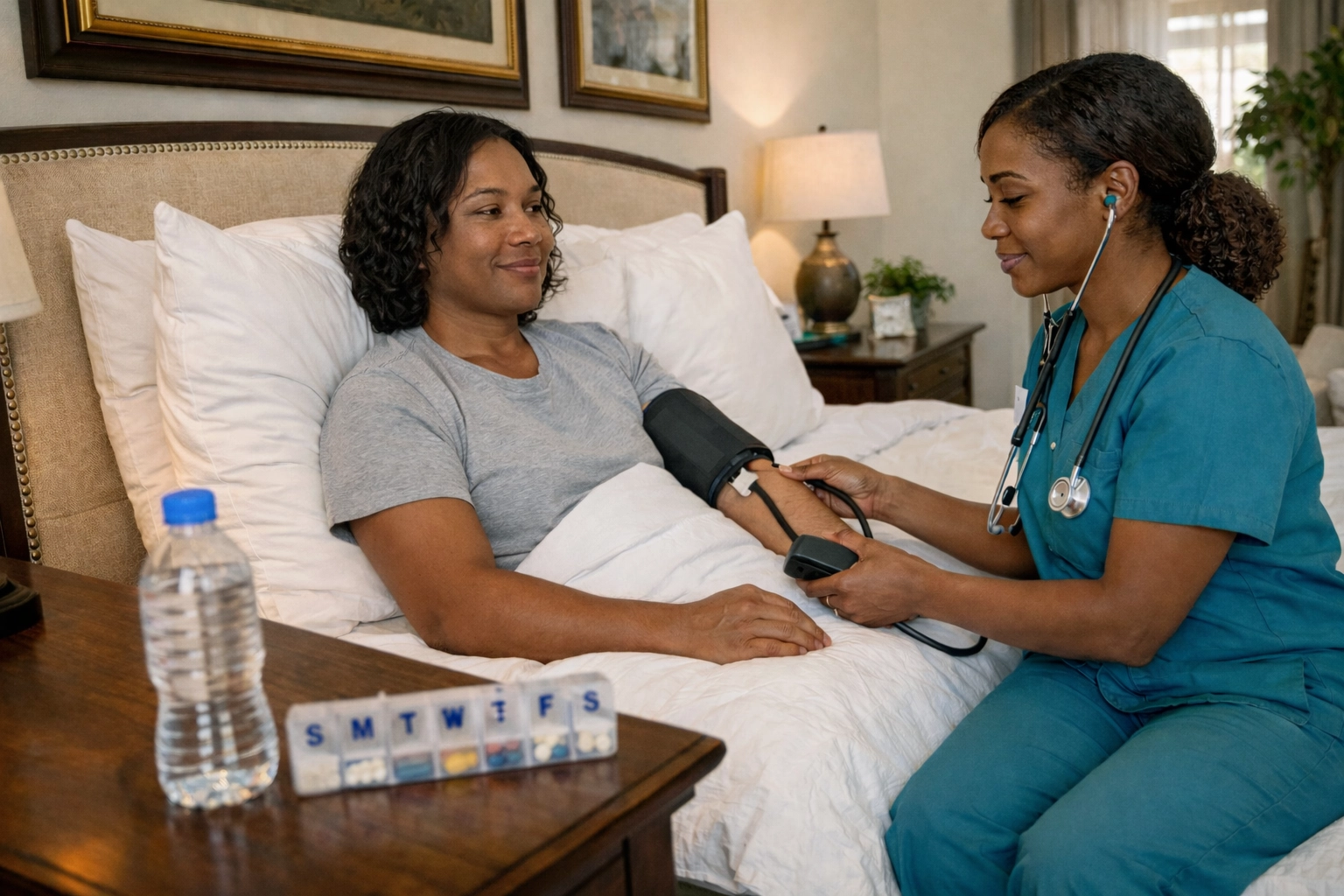
In a home setting, we can assess your wound care needs, check your vitals, and ensure your recovery environment is optimized for healing. Being in your own space reduces cortisol (the stress hormone), which allows your parasympathetic nervous system to take over and accelerate tissue repair.
📋 9. Expect a Comprehensive Evaluation
Your first session isn’t just about the “massage.” A manual lymphatic drainage session with a specialized nurse includes a full health history review. We look for:
- Signs of Infection: Redness, heat, or unusual discharge.
- DVT Risk: Checking for calf pain or unusual unilateral swelling.
- Fluid Balance: Assessing if you are retaining fluid in your lungs or lower extremities.
Safety is our priority. If we detect anything that requires your surgeon’s attention, we act as the bridge between you and your medical team.
📅 10. Consistency is Better Than Intensity
One session will provide relief, but it won’t complete your recovery. Depending on the procedure: such as a 360 Lipo or a Tummy Tuck: we typically recommend a series of sessions over the first 2 to 4 weeks post-op.
The typical MLD schedule:
- Days 1–7: Daily or every other day to manage peak swelling.
- Weeks 2–3: 2–3 times per week to prevent tissue hardening (fibrosis).
- Weeks 4+: Once a week or as needed for maintenance and contouring.
🌟 Your Partner in Healing
At Leesang Services LLC, we understand that the days following your procedure are both exciting and vulnerable. You’ve invested in yourself by choosing surgery; now, invest in your recovery by choosing expert care.
Our mission is to provide more than just a service; we provide a partnership in your healing journey. From managing your wound care services to providing the best manual lymphatic drainage after surgery, we are here to ensure you feel supported every step of the way.
Ready to start your recovery on the right foot?
Contact us today to schedule your in-home MLD evaluation and experience the difference that professional, concierge nursing care makes.

For more information on our full range of recovery support, visit our Frequently Asked Questions or browse our gallery to see our team in action.