Recovery is no longer just a matter of "wait and see." In the modern landscape of surgical aftercare and chronic wound management, the focus has shifted from simple protection to active biological intervention. At Leesang Services LLC, we believe that providing superior clinical outcomes requires staying at the forefront of medical science. One of the most significant breakthroughs in regenerative medicine is the application of peptides: small chains of amino acids that act as cellular messengers to accelerate the body’s natural healing processes.
When you are recovering from a complex procedure or managing a non-healing wound, your body is in a race against time to minimize inflammation and rebuild structural integrity. Peptides provide the "instructions" your cells need to win that race.
💡 What are Peptides? The Cellular "Software" of Healing
To understand how peptides work, think of your body as a sophisticated computer. If your DNA is the hard drive, peptides are the software programs that tell the hardware (your cells) what to do. Specifically, peptides are short chains of between 2 and 50 amino acids. Because of their low molecular weight, they are easily absorbed and can navigate the body to find specific cellular receptors.
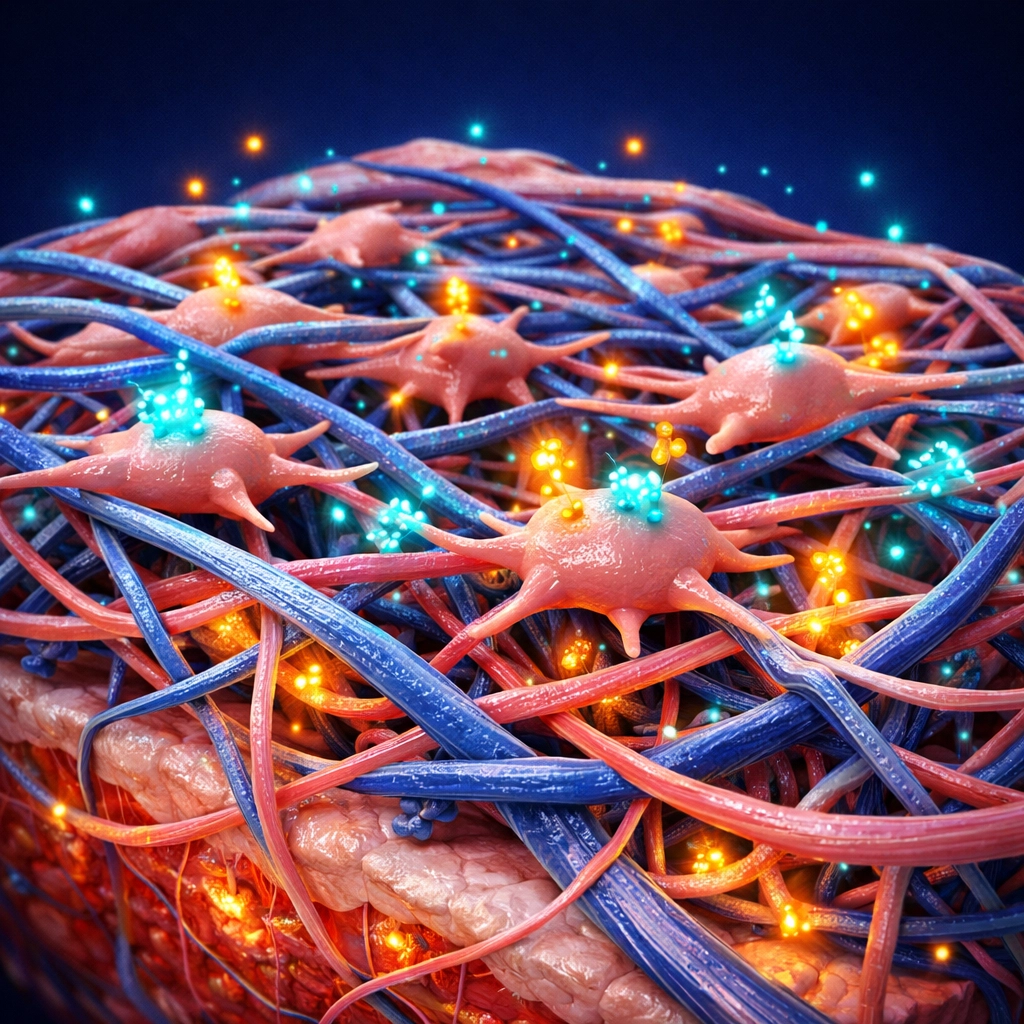
Once a peptide binds to a receptor, it triggers an intracellular signaling cascade. This is essentially a domino effect that results in direct action: increasing collagen production, signaling for new blood vessels to form, or telling the immune system to dial down excessive inflammation.
In a concierge nursing setting, the use of evidence-based peptide therapies allows us to move beyond standard wound care. We aren't just cleaning a site; we are optimizing the environment at a molecular level to ensure tissue regeneration is as efficient as possible.
🩺 The Three Phases of Healing: How Peptides Intervene
The body heals in three distinct, overlapping phases. Traditional wound care often manages the surface, but peptides work across all three phases to ensure a seamless transition from injury to restoration.
1. The Inflammatory Phase
Immediately after a wound occurs, the body sends "first responders" to the site. However, if inflammation persists too long, it can lead to tissue damage and stalled healing.
- The Peptide Advantage: Specific peptides help transition macrophages (immune cells) from a pro-inflammatory state (M1) to a pro-repair state (M2).
- Antimicrobial Benefits: Certain peptides, known as Antimicrobial Peptides (AMPs), help suppress the growth of bacteria while simultaneously downregulating pro-inflammatory cytokines like TNF-α.
2. The Proliferative Phase
This is the "building" phase. Your body must create new blood vessels (angiogenesis) and recruit fibroblasts to lay down a new tissue matrix.
- Neovascularization: Peptides stimulate growth factors like VEGF (Vascular Endothelial Growth Factor), which ensures the wound has the oxygen and nutrient supply it needs to survive.
- Cell Migration: Peptides like the RGD sequence act as a GPS for fibroblasts, guiding them to the center of the wound to begin reconstruction.
3. The Remodeling Phase
The final stage involves strengthening the new tissue and minimizing scar formation.
- Scar Modulation: Peptides regulate the activity of matrix metalloproteinases (MMPs). By controlling how the extracellular matrix is degraded and rebuilt, peptides can help result in fewer adhesions and improved aesthetic outcomes.
🧪 Star Players: BPC-157 and GHK-Cu
While there are hundreds of peptides under study, two have gained significant attention for their profound impact on wound care and surgical recovery.
BPC-157 (Body Protection Compound)
BPC-157 is a pentadecapeptide originally discovered in human gastric juice. While that might sound unusual, its role in nature is to protect the lining of the gut: one of the most high-turnover tissue environments in the body.
- Angiogenesis: It is remarkably potent at signaling the body to create new blood vessels, which is critical for areas with poor blood flow.
- Tendon and Ligament Repair: Unlike many treatments that only work on soft tissue, BPC-157 has shown the ability to accelerate the healing of "hard" tissues like tendons and ligaments by increasing the expression of growth hormone receptors in fibroblasts.
GHK-Cu (Copper Peptide)
GHK-Cu is a naturally occurring copper complex that declines as we age. It is often referred to as a "rejuvenation" peptide because of its ability to reset genes to a younger, healthier state.
- Collagen Synthesis: It directly stimulates the synthesis of collagen and elastin, which are the scaffolding of the skin.
- Anti-Inflammatory: It acts as a potent antioxidant, reducing oxidative stress in the wound bed and preventing the "stalling" often seen in chronic wounds.
For clients seeking the highest level of recovery support, understanding these biological tools is the first step. You can learn more about our commitment to advanced recovery protocols on our About Us page.
💎 The Leesang Difference: Hospital-Grade Care in a Concierge Setting
At Leesang Services LLC, we recognize that the period following surgery is a vulnerable time. Patients often find themselves in a "gap" between the hospital discharge and their first follow-up appointment. Our mission is to bridge that gap with specialized nursing services that bring hospital-grade clinical expertise directly to your door.
Why Professional Oversight Matters
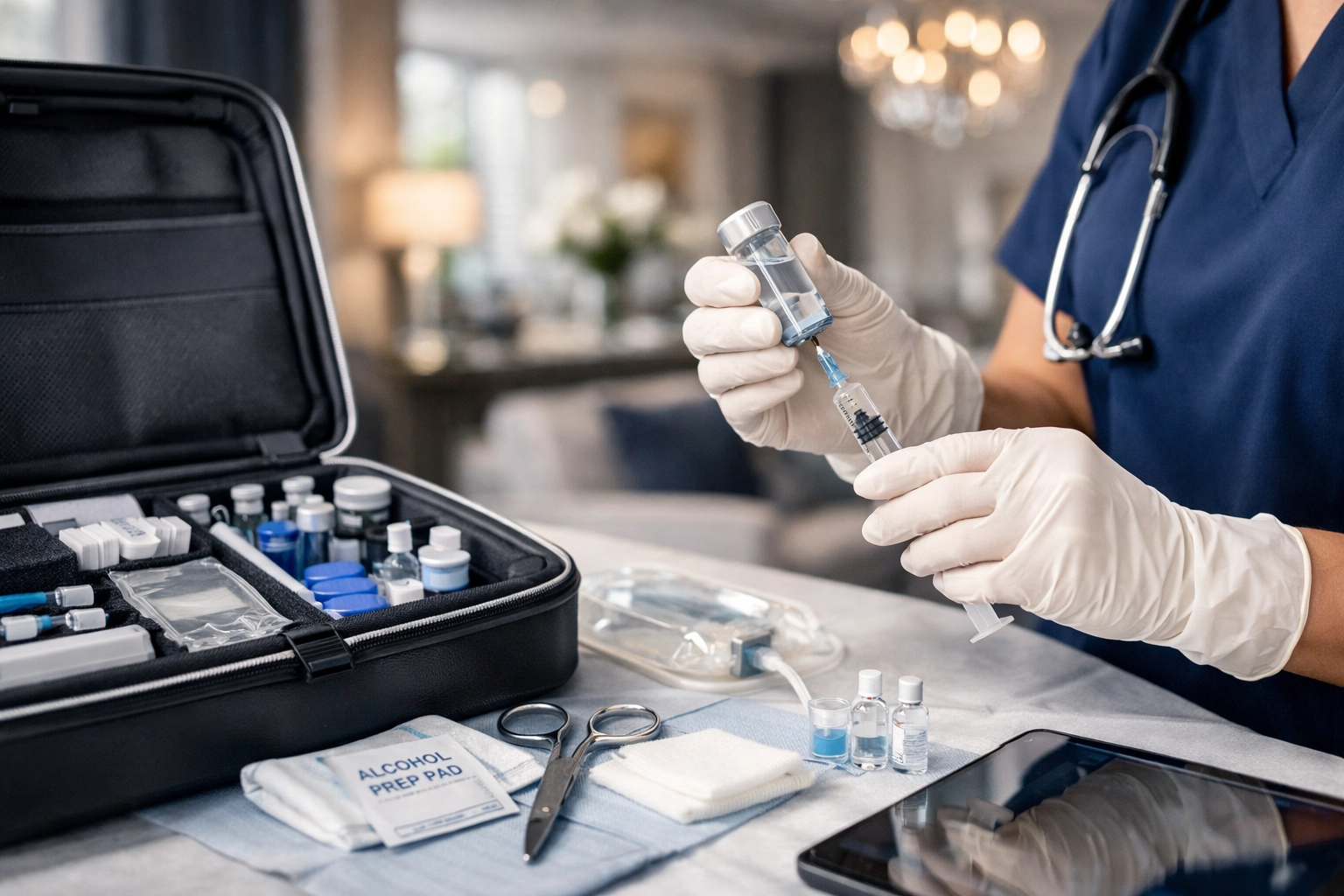
Peptides and advanced wound care agents are powerful tools, but they must be managed within a comprehensive clinical framework. Our nursing team monitors:
- Infection Control: Using sterile techniques and assessing for early signs of complications.
- Nutritional Support: Ensuring the body has the raw materials (protein, vitamins, minerals) to utilize peptide signaling effectively. For more on this, see our guide on Fueling Recovery: Best Foods for Post-Surgery.
- Systemic Optimization: Managing hydration and circulation to ensure that topically or systemically administered treatments reach the target tissue.
By integrating the latest research into our Wound Care Services, we provide a level of care that goes far beyond a standard dressing change.
🚀 Beyond the Surface: A Multidisciplinary Approach
While peptides are a "magic bullet" of sorts for cellular signaling, they work best when part of a holistic recovery plan. Clinical research shows that hyperglycemic (high blood sugar) environments can severely compromise wound healing by creating chronic inflammation. In these cases, even the best peptide therapy may struggle if the internal environment isn't managed.
Our approach involves:
- Inflammation Modulation: Combining peptide therapy with proper compression, elevation, and hydration.
- Evidence-Based Protocols: We stay current with the latest clinical trials to ensure the treatments we support are safe and effective.
- Personalized Attention: Every body heals differently. We tailor our nursing interventions to your specific surgical procedure and medical history.
📋 Essential Guide to Advanced Wound Recovery
If you are preparing for a major surgery or dealing with a slow-healing wound, consider these essential steps to optimize your cellular repair:
- Prioritize Circulation: Movement (as cleared by your surgeon) and professional lymphatic support can help move "old" fluid out and "new" nutrient-rich blood in.
- Maintain Sterility: Advanced therapies like peptides are most effective in a clean, debrided wound bed.
- Stay Informed: Understanding the science behind your recovery empowers you to make better decisions. Read about Lasandra Lee’s vision for elite care in this Orlando Voyager interview.
- Professional Monitoring: Having a specialized nurse assess your wound daily can catch issues before they become emergencies.
🤝 Your Partner in Healing
The future of wound care is here, and it is happening at the molecular level. By harnessing the power of peptides, we are able to support the body’s innate ability to repair itself with unprecedented precision.
At Leesang Services LLC, we are more than just a nursing service; we are your partners in a successful recovery. We bring the sophistication of the lab and the safety of the hospital into the privacy and comfort of your home.
Whether you are planning a cosmetic procedure or managing a complex surgical wound, don't leave your healing to chance. Let us help you heal faster, stronger, and with the confidence that you are receiving the most advanced care available.
Ready to elevate your recovery?
Explore our Post-Operative Care Services or Contact Us today to discuss a customized care plan tailored to your needs.
Disclaimer: The information provided in this post is for educational purposes and does not constitute medical advice. Always consult with your primary surgeon or physician before beginning any new treatment or supplement protocol.